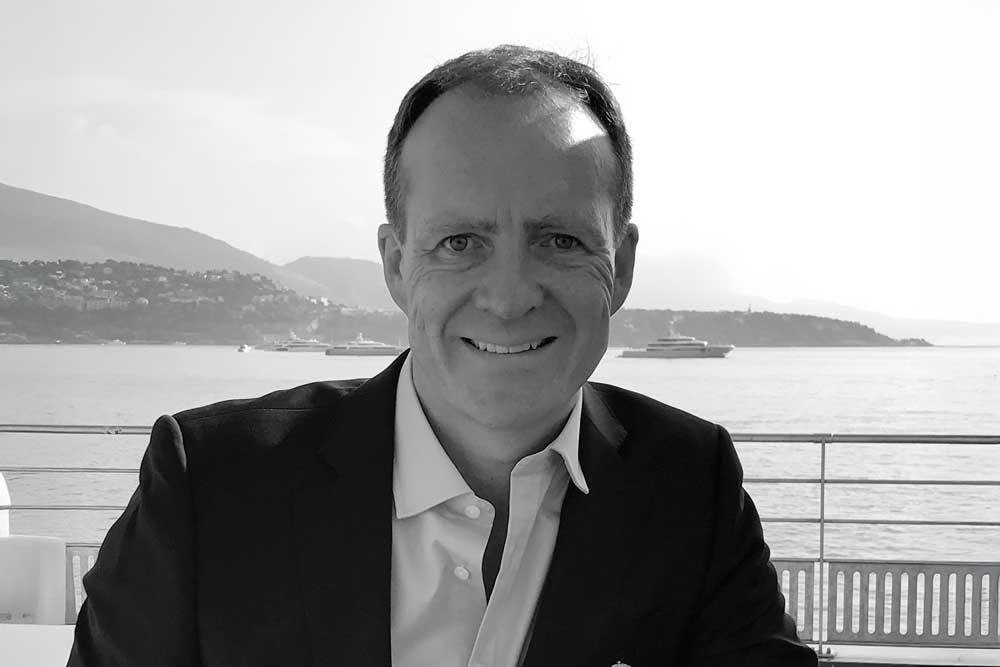






Rolls-Royce Power Systems is expanding its marine portfolio with integrated bridge-to-propeller solutions, variable-speed propulsion systems and new emission-control technologies. In an interview with HANSA Yachts, Lukas Köhler outlines market trends, future fuels and his priorities as Senior Vice President Global Marine.
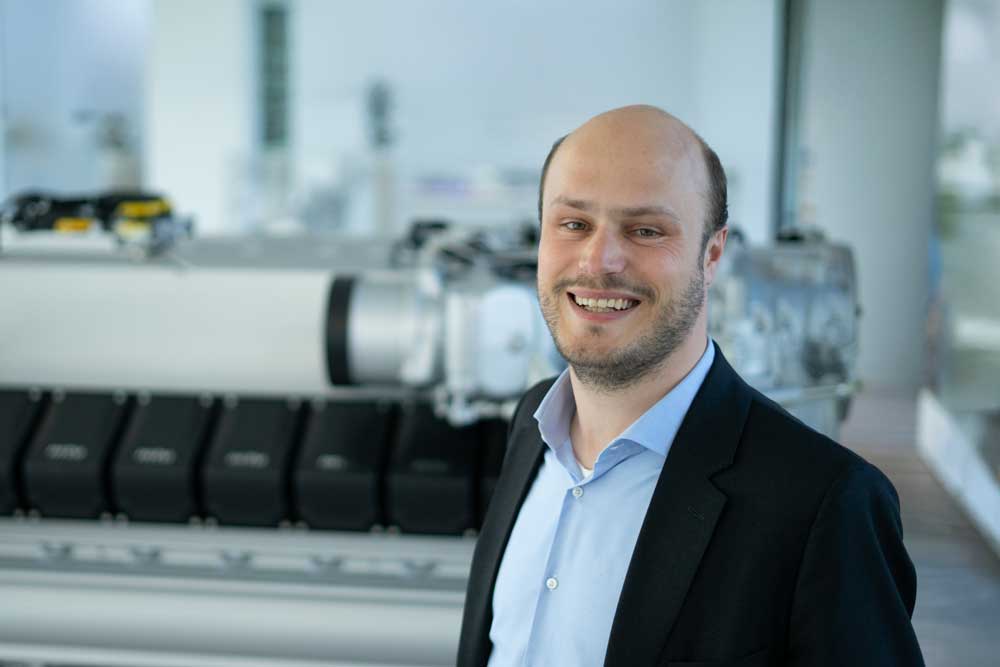
You recently took over the role of Senior Vice President Global Marine at Rolls-Royce Power Systems. Which segments of the maritime industry do you serve, and what products and solutions are currently included in your portfolio?
Lukas Köhler: Since August, I have had the great pleasure of leading the global marine and mining business at Rolls-Royce Power Systems. In the commercial marine sector, we supply yachts, ferries, offshore support vessels, and tugs with state-of-the-art mtu propulsion and automation systems – and offer our customers comprehensive support throughout the entire lifecycle of their vessels.
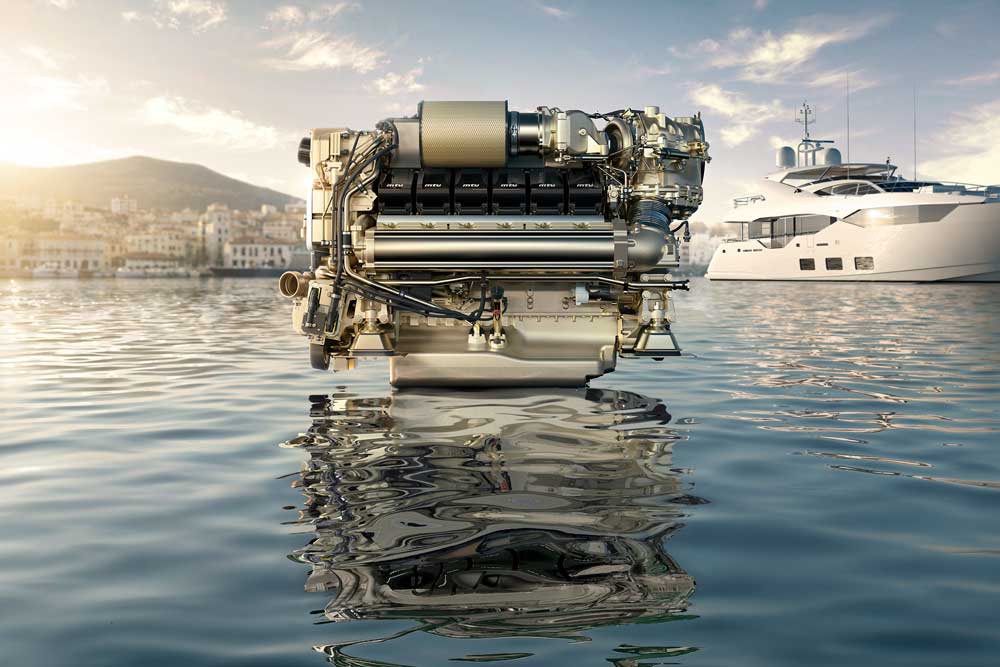
Our strategic goal for the yacht industry is to offer customers integrated, highly efficient and comfortable solutions – from bridge to propeller. This includes bridge solutions, automation and crew assistance systems, mtu engines, aftertreatment systems and pod drives.
At Rolls-Royce Power Systems, we stand for technological openness, customized customer solutions, and 100 years of maritime experience. As a company within the Rolls-Royce Group, we actively evaluate, research, and invest in future technologies to offer our customers the right propulsion technology for their vessels – today and in the future – and support them with the expertise of our engineers and service team throughout the entire service life of their vessels.
What are your latest product highlights?
Köhler: One of this year’s highlights is the presentation of our variable-speed propulsion units based on the mtu 2000 Series as a standardized solution for workboats as well. These units reduce fuel consumption and CO₂ emissions by up to 15 percent in the partial-load range and lower noise and vibration levels. In combination with our internal combustion engines, which can be powered by sustainable fuels, we enable more efficient, flexible, and environmentally friendly ship operations. The offering is complemented by a new SCR exhaust aftertreatment system for the mtu Series 2000 engines, which meets the strictest IMO Tier III emission standards and paves the way for sustainable shipping.
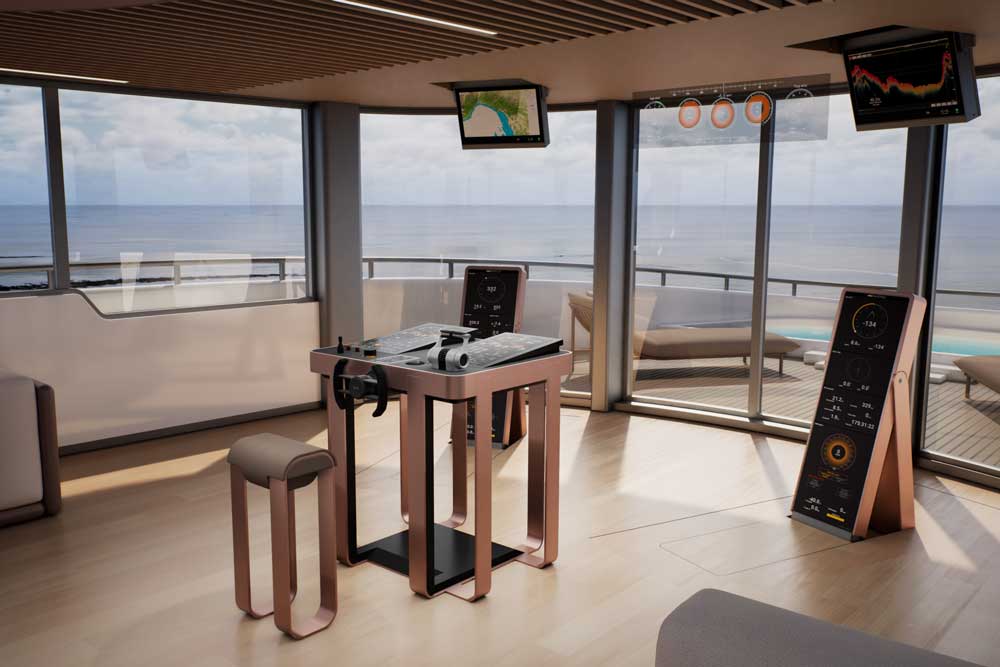
For yachts and, now, also for workboats, we are introducing our Bridge-to-Propeller solutions. With these, we aim to view ship operations as a holistic system – from the controls on the bridge to the propulsion in the water. To this end, the company combines its expertise in propulsion systems, energy management, and automation into integrated solutions that improve efficiency, safety, and cost-effectiveness.
With our mtu NautIQ Bridge, we offer a fully integrated product for the intuitive control of the entire vessel, featuring coordinated hardware and software. This integrated solution connects the bridge, energy management, and propulsion into a seamless system – with clear benefits for operation, oversight, and efficiency.
You have been with Rolls-Royce Power Systems since 2018 and have held a number of different positions during that time. Looking back, how have the maritime industry and Rolls-Royce Power Systems evolved in your view? Which milestones or market trends have been particularly significant?
Köhler: The shipbuilding industry is experiencing significant expansion of government fleets – and we are ideally positioned to provide solutions for frigates, SAR vessels, and patrol boats. The global shipbuilding market is currently dominated by Asia, particularly China. We are currently seeing an upswing in the large yacht sector.
With regard to sustainability, there has been a great deal of enthusiasm since 2018, which is now undergoing a reality check. We have developed new technologies for sustainable fuels, such as methanol engines. However, these fuels are not yet sufficiently available or economically viable for our customers.
What goals have you set yourself in your new role? Which topics are currently at the top of your agenda, and where do you see the greatest opportunities for further development?
Köhler: My goal is to continue enabling our customers to benefit from our technological leadership – with advanced products and solutions that enable efficient, safe, and reliable ship operations.
Our bridge-to-propeller solutions are particularly important, as they offer the advantage of a coordinated, single-source solution and reduce design and integration efforts. The internal combustion engine remains at the heart of our portfolio, and we are continuing to expand it so that we will remain the preferred propulsion supplier for ferries, tugs, offshore support vessels, and yachts 20 years from now.
What do you expect to be the biggest challenge in your new position? More broadly, which challenges do you believe will shape the marine business over the coming years?
Köhler: The biggest challenge is being able to offer the right solutions at the right time – from fuel flexibility and cybersecurity to efficiency and sustainability. The entire industry faces the task of making shipping more sustainable. We must work together to find answers to questions such as how to create a comprehensive infrastructure for alternative fuels and when the relevant legal requirements will be put in place.
Finally, on a more personal note: what are you most looking forward to in your new role? Is there a particular aspect of your new role that you are especially looking forward to?
Köhler: I’m especially looking forward to meeting our customers in person around the world and seeing how our products perform on their ships. The art of designing and building a ship fascinates me – and I’m eager to take a ride on the odd ship or two.
Interview: Anna Wroblewski