





The French water treatment specialist BIO-UV Group expects a significant increase in superyacht deliveries this year, driven by growing demand for integrated ballast water treatment systems in vessels above 60 metres.
According to the company, between five and ten yacht installations are scheduled for delivery in 2026 – roughly double the number completed in the previous year. The growth is supported by new agreements with major yacht builders in Northern and Southern Europe.
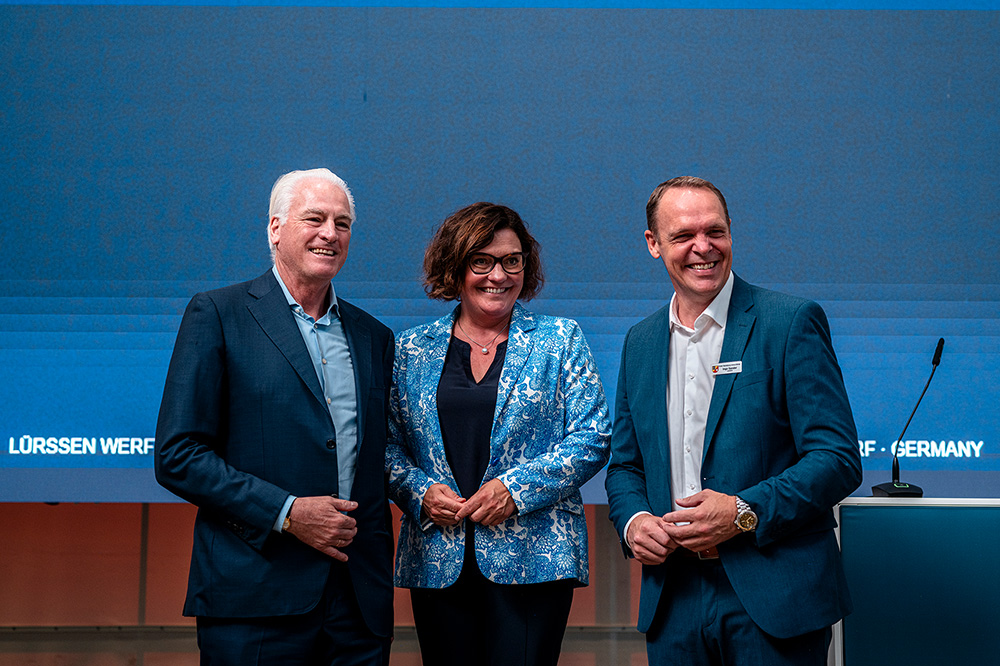
“Industry projections indicate continued expansion of the global fleet toward 2030,” says Maxime Dedeurwaerder, BIO-SEA Business Development Director at BIO-UV Group. “As yachts increase in size and complexity, onboard ballast water treatment systems are becoming central to the design specification and systems integration process.”
While earlier projects often sought to avoid installing such systems through hull optimisation or specific tank arrangements, attitudes are shifting. With increasing vessel sizes and operational experience, shipyards are now integrating ballast water treatment systems at an early design stage rather than relying on later retrofits.
“Historically, certain projects were configured to minimise ballast discharge requirements through hull optimisation and tank arrangement strategies, particularly where cruising profiles were predictable,” Dedeurwaerder explains. “With experience and competitive pricing, it is less beneficial to design a yacht in a way to avoid installing a ballast water system.”
The company attributes its growing order book primarily to its market positioning and reputation. “We entered three new yards in the past year while maintaining our existing customers,” says Dedeurwaerder, pointing to continued confidence in both the technology and after-sales support.
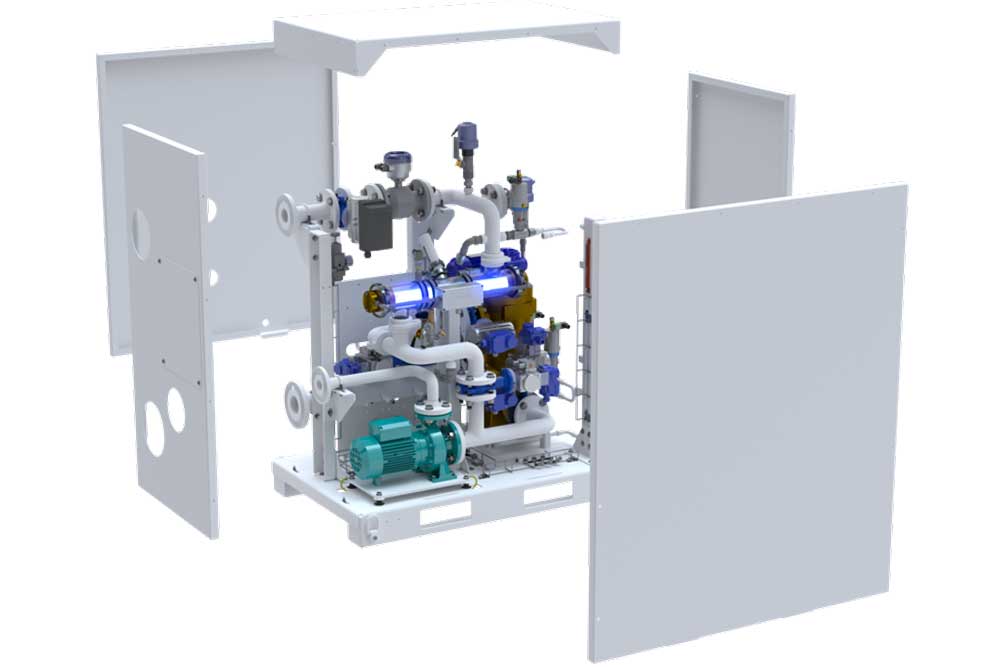
Demand is currently focused on the BIO-SEA L01-0030 Mini, a compact filtration and UV-based ballast water treatment system designed for low flow rates between 13 m³/h and 30 m³/h. The unit is tailored to the space constraints typical of superyacht engine rooms and can also be installed outside machinery spaces.
Unlike chemical-based solutions, the system operates without active substances or by-products and is available in modular configurations. A skid-mounted version allows installation in areas such as garages or hangars.
While the broader commercial ballast water treatment market has slowed following the completion of major retrofit cycles, BIO-UV sees the superyacht segment as comparatively resilient.
“Yes, the large yacht market remains a specialised sector,” says Dedeurwaerder. “But it is one where we see continued expansive development.”
With further growth expected in the upper yacht segments, the company anticipates stable demand for both newbuild and retrofit projects in the coming years.