




From hybrid systems and variable-speed generators to high-temperature fuel cells powered by methanol, sustainable propulsion is reshaping the yacht sector. Norberto Barlocco, part of Siemens Energy’s Maritime Global Projects Development team, explains how advanced energy systems are being integrated into next-generation superyachts – and where the technological journey is heading.
Siemens Energy is active in many areas, including the yacht sector. Could you describe which products and solutions you offer specifically for yachts, and which yacht sizes these are designed for?
Norberto Barlocco: Siemens Energy provides advanced solutions for yachts ranging from 30 metres up to giga-yachts, with a focus on efficiency, sustainability, and flexibility. A key offering, our BlueDrive Eco system, supports diverse propulsion architectures, including serial diesel-electric, parallel hybrid, plug-in, and dual-hybrid configurations. It integrates energy sources such as solar panels, lithium-ion batteries, fuel cells, and variable-speed generators via a DC distribution system, optimising energy management to reduce consumption, emissions, and maintenance. Compact and modular, the system is ideal for space-constrained yachts, ensuring quiet operation and an enhanced sailing experience. Combining environmental benefits with improved performance and comfort, the BlueDrive Eco system is a valuable solution for yacht owners and builders.
Which technological trends do you observe particularly in the yacht segment, and how are you adapting your products to these developments?

Barlocco: The yacht industry is undergoing a significant transformation, and Siemens Energy is driving this change by delivering sustainable solutions and integrating advanced technologies. We focus not just on adapting to trends but on setting them, ensuring our products maximise efficiency, performance, and reliability.
One key area of focus is incorporating fuel cells (FC) powered by pure hydrogen into onboard systems. We are researching how to seamlessly integrate these technologies with a yacht’s Power Management Systems (PMS) and Energy Management Systems (EMS) to improve efficiency. By fine-tuning interactions among fuel cells, batteries, and other energy sources, we aim to achieve consistent operation, greater reliability, and lower emissions.
We are also advancing High-Temperature Proton Exchange Membrane (HT-PEM) fuel cells powered by methanol, a promising alternative fuel due to its high energy density, ease of handling compared to hydrogen, and its potential for carbon-neutral production. Systems like our BlueDrive Eco are being engineered to integrate these technologies, supporting the yacht industry›s transition to more sustainable energy solutions.
Another key trend is the development of variable-speed generators for marine applications. These generators, combined with intelligent controls, boost energy efficiency by dynamically matching power needs and reducing fuel consumption, emissions, and onboard space requirements – critical for yacht design. Siemens Energy integrates these generators into PMS and EMS for smarter energy management.
The next generation of high-energy lithium-ion batteries will prioritise both energy density and intrinsic safety, critical for marine environments where space is limited and reliability is paramount. Emerging trends include the adoption of solid-state electrolytes, which eliminate flammable liquid components and significantly reduce thermal runaway risks – essential factors for confined yacht engine rooms. Additionally, smart battery management systems (BMS) using AI-driven predictive analytics will enable real-time monitoring, early fault detection, and proactive maintenance, ensuring operational continuity at sea. For yacht applications, advancements aim to deliver batteries with a higher energy-to-volume ratio, optimised for limited onboard space, while incorporating marine-grade thermal protection, corrosion-resistant housings, and compliance with maritime safety standards. These innovations will support the growing demand for sustainable propulsion and auxiliary power systems without compromising safety or performance.
Our modular BlueDrive Eco system supports emerging technologies, enabling yacht owners and builders to adopt them without compromising performance, safety, or reliability.
Is there a current yacht project to which Siemens Energy has supplied equipment? What was special about it from your perspective, and what challenges had to be overcome?
Barlocco: Siemens Energy has contributed to numerous exciting yacht projects, demonstrating our ability to deliver innovative, customised solutions for the luxury yacht sector. Since delivering our first system in 2012, we have built an extensive track record and deep expertise, enabling us to set new standards in sustainable propulsion and onboard energy efficiency.
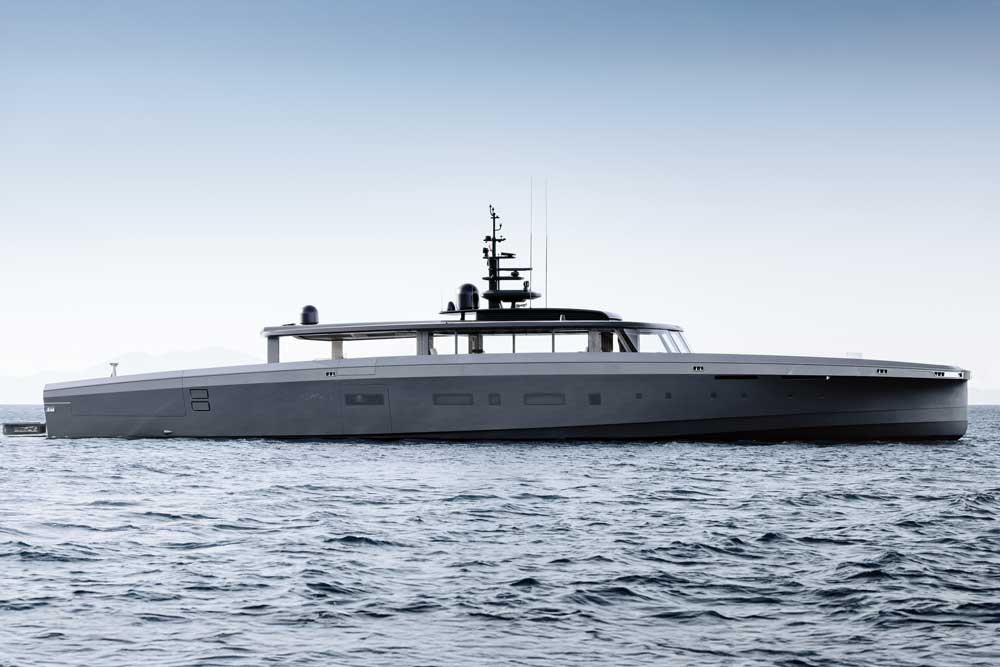
Two remarkable examples are a 58-metre yacht and a 72-metre diesel-electric yacht, both setting new benchmarks in sustainable propulsion for their size category. For both projects, we delivered the advanced BlueDrive Eco hybrid system along with variable-speed generators rated at 425 kW. These generators offer unmatched compactness, thanks to cutting-edge axial flux permanent magnet alternators. While separate projects, they both stand out for their scale and technical complexity, showcasing our expertise in tailoring solutions for large, high-performance yachts.
Another recent achievement is delivering a 67-metre yacht featuring a dual hybrid plug-in system that allows operation in fully electric, hybrid, or traditional diesel modes – offering unparalleled flexibility and efficiency.
From our perspective, what makes these projects special is the growing commitment from yacht builders and owners to adopt sustainable technologies. Each of these yachts represents a step forward in reducing emissions, improving energy efficiency, and integrating advanced energy management systems.
Which other projects are currently in your pipeline, and what can you tell us about them?
Barlocco: Methanol is gaining traction due to its lower carbon footprint and easier handling compared to hydrogen. The integration of methanol-fueled variable-speed generators and a high-temperature fuel cell will achieve unprecedented efficiency and sustainability.
Siemens Energy is working on several groundbreaking projects, including a 65-metre yacht designed to redefine sustainable yachting. This vessel will feature two methanol-powered variable-speed generators delivering 2 MWe each, alongside a 300kWHT-PEM fuel cell – the first of its kind in the industry.
From a technical perspective, this project presents challenges, including precise engineering for dynamic energy demand adjustments and seamless integration of the HT-PEM fuel cell into the yacht’s PMS and EMS. Extensive collaboration with the shipyard and other stakeholders is essential, but this project is an opportunity to highlight methanol and fuel cell technology as enablers of sustainable yachting.
Scheduled for delivery in 2029, the yacht is poised to set a new benchmark for green innovation in the luxury yacht industry, reflecting Siemens Energy’s commitment to clean energy adoption and supporting the sector’s transition to a sustainable future.
A trend that is emerging not only in the yacht sector but across the entire maritime industry is nuclear-powered vessels. How does Siemens Energy view this development?
Barlocco: Siemens Energy monitors all emerging maritime trends, including nuclear propulsion. While nuclear energy offers high energy density and zero emissions, its adoption in the yacht market will be extremely long and challenging to implement and accept.
Experience introducing new technologies into the yacht segment shows that market acceptance requires time, dedicated infrastructure, and a broad application base. Nuclear propulsion, although successfully applied in specialized vessels such as submarines and icebreakers, involves complexities related to safety, regulatory compliance, public perception, and fuel handling and waste management.
For luxury yachts, other hurdles include space optimization, aesthetics, and operational flexibility. Integrating reactors and shielding would significantly impact yacht design and layout, while regulatory procedures and collaboration with authorities would be substantial.
Siemens Energy supports technologies that accelerate maritime decarbonization. While nuclear power may eventually become relevant for large ships or specialized applications, for yachts, the most realistic and near-term solutions are alternative fuels such as methanol, hydrogen, and ammonia, combined with fuel cells and high-energy batteries. These options offer a faster path toward sustainability and market acceptance. AW